

Heat and hydration, forest bathing, and another disease carried by ticks
The CA Dose, June 11, 2026

As we turn the corner into summer, we’re covering three ways to keep you healthy in California—preventing heat stroke, a new (and very old) way to de-stress, and how to protect yourself from a newly recognized disease carried by ticks. Let’s jump in.
Heat: By the time you’re thirsty, you’re behind
As we enter summer, heat is top of mind. The last two years have set records for high average temperatures in California, and parts of Northern and Central California are under a heat advisory going into this weekend.
Extreme heat events cause more deaths in California than any other weather related disaster, including fires and floods.
In our latest YLE Pulse Survey, many of you asked: “How do I recognize the signs of dehydration, and what can I do to prevent it?” Here are your answers.
What dehydration feels like. When you feel thirsty, you’re already behind. The thirst sensation doesn’t typically kick in until you’ve already lost about 1-2% of your body weight in fluids. For a 150-pound person, that’s just 1.5 to 3 pounds of water. The lag in feeling thirst is bigger in older adults. Many older people don’t feel thirst until they’re well on the way to dehydration.
Here are the signs of dehydration:
Mild (early signs, 1–3% body weight loss):
Thirst
Dry mouth or sticky saliva
Slightly darker urine
Mild headache
Fatigue or low energy
Decreased urine frequency
Moderate (3–5% body weight loss):
Significant headache, difficulty concentrating, irritability
Muscle cramps
Dizziness, especially when standing
Noticeably dark urine (amber or tea-colored)
Reduced or infrequent urination
Nausea
Severe—seek medical care (>5% body weight loss):
Rapid heart rate and rapid breathing
Sunken eyes, very dry skin
Little to no urine output for several hours
Fainting or near fainting
If someone is confused in the heat, don’t wait. Cool them down immediately and call 911.
Staying ahead of the curve. Drink before you’re thirsty. As a general rule, even when its not hot out, I try to drink about 10 cups of water spaced throughout the day—and adjust upward on hot days.
People who work or exercise outdoors in the heat should aim for about 8 ounces of water every 20 minutes. But even if you’re staying mostly indoors, hot weather increases your baseline fluid needs.
Water vs. electrolyte drinks. For most situations, plain water is enough. But when you sweat over extended periods, you lose sodium and other electrolytes alongside the water. Replacing fluid losses with only plain water can dilute your system, which creates its own problems.
Electrolyte drinks become useful when you’re exercising intensely in the heat, sweating for more than an hour, or in high heat for prolonger periods. Low-sugar options like Pedialyte or Gatorlyte are usually better choices than higher-sugar standards like Gatorade.
High risk groups. Some groups are especially vulnerable to heat and dehydration. The following groups should be extra vigilant:
Older adults. Impaired thirst perception plus often-reduced kidney function makes dehydration harder to detect and faster to worsen.
Children. Higher surface-area-to-body-weight ratio means faster fluid loss; they also tend to ignore thirst signals when distracted by play.
Outdoor workers. There were nearly 6,000 emergency department visits for work-related heat illness between 2016 and 2023 in California, with LatinX residents making up the greatest share. Work breaks, shade structures, and freely accessible hydration isn’t optional.
People on certain medications. Diuretics, antihistamines, beta-blockers, and some antipsychotics can get in the way of your body’s heat response and accelerate dehydration. If you take any of these, talk to your doctor about heat precautions specifically.
Those who drink alcohol and caffeine. Both are diuretics—they increase urine output, which works against hydration. A beer at a hot outdoor event isn’t forbidden, but it’s not hydration.
Heat illness progresses through recognizable stages: dehydration first, then heat exhaustion, then heat stroke. The earlier you catch it, the easier it is to reverse. Staying on top of fluids is the best way to prevent heat illness when you can’t avoid heat. And that’s something we have control over.
Forest bathing: the science in the trees
In medical training we had a word for patients who talked about energy fields, crystals, or the healing power of the forest: woo-woo. It wasn’t kind, and it wasn’t helpful. Since then I’ve learned a lot. One by one, practices that once seemed “out there” to me have gained a stronger evidence base, and I’ve taken some on for my own health. Forest bathing is one.
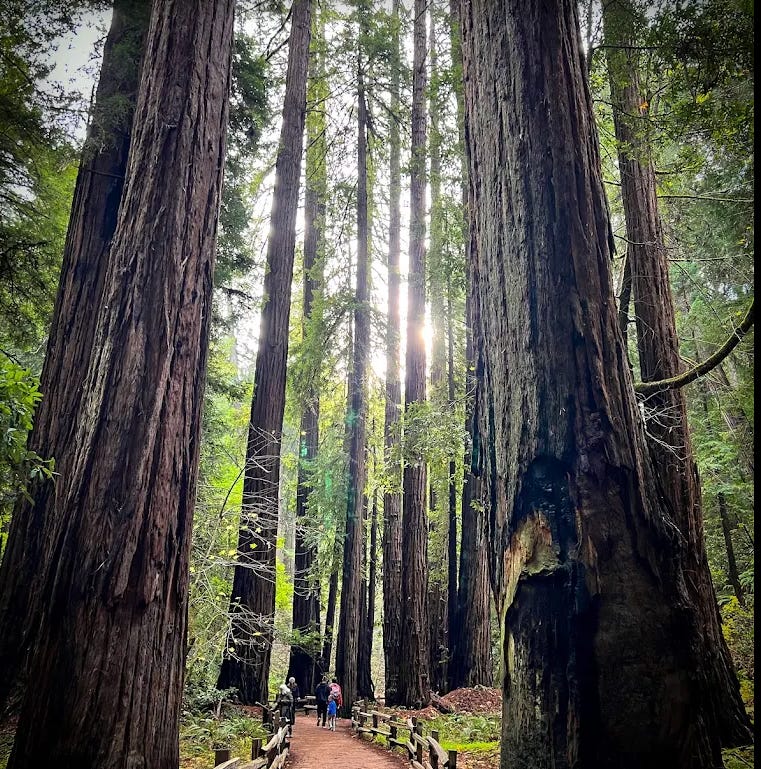
Shinrin-yoku—“forest bathing” in Japanese—was introduced as a public health practice in Japan in 1982. It basically means being in the presence of trees, walking slowly, breathing deeply, absorbing the forest environment without an agenda. It sounds pretty woo-woo, but there’s good data behind it.
What the data show:
Reduced stress. A systematic review of 131 studies found that cortisol levels—the body’s primary stress hormone—were consistently lower after forest exposure compared to control groups. Forest bathing also reduces blood pressure and heart rate. It increases the activity of parasympathetic nerves—the “rest and digest” system—while calming the sympathetic “fight or flight” system.
Improved immune response. A meta-analysis found that forest bathing increases natural killer (NK) cell activity, which boosts immune response and helps fight infections. The mechanism appears to involve phytoncides—aromatic volatile compounds released by trees.
Improved cognition. Multiple studies have found that children with attention deficit disorder focus better after time in natural settings, with green growing things—on top of the known benefits of activity and movement for regaining focus.
California’s underutilized prescription. We don’t have a pharmaceutical that lowers cortisol, calms the autonomic nervous system, boosts immune cell activity, improves mood, and supports attention—at no cost, with no side effects. My residency self would have called forest bathing woo-woo. My epidemiologist self calls it an intervention with a favorable evidence base and few barriers to access.
We’re fortunate in California to have remarkable nature around us, including our forests. Old-growth redwoods, chaparral hillsides, pine forests throughout the mountains, and parks in most communities. Most Californians live within an hour of green space. Find some trees, breathe slowly, and rest assured the data are on your side.
Another reason to avoid tick bites
Researchers have identified another disease carried by ticks in California. Here’s what you should know, and how to protect yourself.
What is it? Rickettsia lanei belongs to the “spotted fever group” of bacteria— the same family as Rocky Mountain spotted fever (RMSF), one of the most serious tick-borne illnesses in the U.S. R lanei is a California cousin of RMSF: similar biology, similar clinical picture, and potentially similar severity.
A common tick is involved. A January 2026 study established that the Pacific Coast tick carries R. lanei. This isn’t great news, because the Pacific Coast tick is widespread along the California coast. The discovery that R. lanei may hitchhike on it expands where and how exposure can happen.
It’s not a new disease, but as science evolves, were getting better at seeing the full range of microbes out there and which vectors carry them.
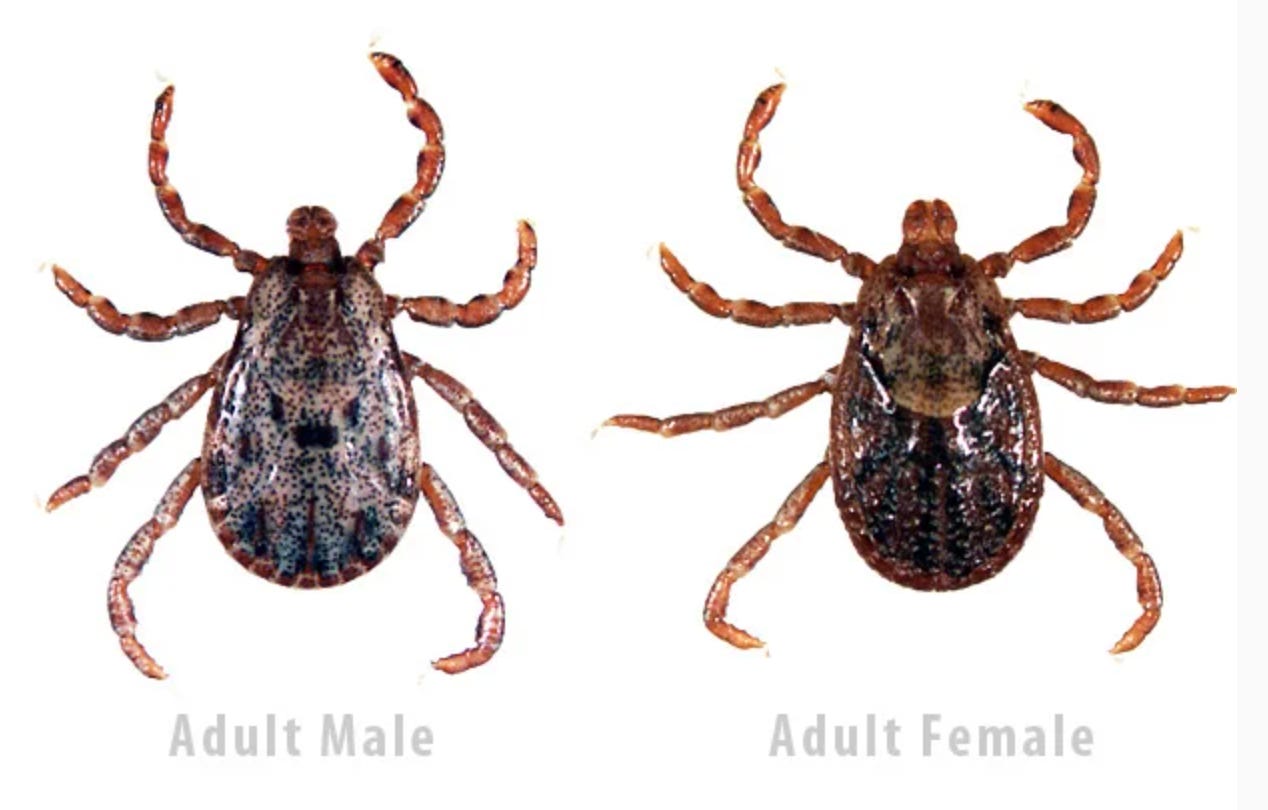
How worried should you be? This is rare. California already has the lowest incidence of spotted fever group illnesses among reporting states, averaging only about 10-15 cases annually. R. lanei is a small slice of that.
But “rare” doesn’t mean “unimportant,” especially when the illness can be severe and is almost certainly underdiagnosed. Rickettsial infections remain significantly under-diagnosed because clinicians aren’t aware of them, the general public isn’t aware of them, and diagnostic tests are often unavailable.
What are the symptoms? Fever, headache, muscle pain, and rash—the classic spotted fever picture. Symptoms typically appear within 1–2 weeks of a tick bite. If you’ve been outdoors in a tick habitat and develop this combination, tell your doctor about any potential tick exposure even if you never found a tick attached.
What should you do? Prevention is the same as always: wear long sleeves, use DEET or permethrin-treated clothing in brushy or wooded areas, and do a thorough full-body tick check after spending time outdoors—on yourself and your pets! Remove any attached tick right away with fine-tipped tweezers.
If you do develop fever and rash after outdoor exposure, seek care quickly. Antibiotics like doxycycline are the treatment of choice for spotted fever group infections—and, like with most tick-borne illnesses, it works best when started early.
California has its own tick-borne disease landscape, and it’s still being mapped. R. lanei is rare, real, native to our state, and treatable—but only if clinicians and patients know to consider it.
Bottom line
These days, stressors can feel like they’re coming from all directions. Bad news seems constant, and the doom-scrolling reflex is hard to resist. Chronic stress isn’t a mood. It’s a physiological state with health consequences: elevated cortisol, general anxiety, suppressed immune function.
Staying informed, sticking to the facts, focusing on what we have control over—and taking an occasional walk in the woods—can help keep us grounded and healthy. Be well, and see you next week!
Love,
Matt
Dr. Matt Willis is the author of Your Local Epidemiologist in California. A California native, he’s served as a primary care physician, CDC epidemiologist, and public health officer for Marin County, where he guided the pandemic response. He lives in Marin with his family and their dogs Teddy and Ramona.
Appreciate your humility and willingness to explore topics that so many have unfortunately dismissed!
A great review of heat risk but of course beer and even coffee are hydration, just not efficient hydration.